Breast Health: What Every Woman Can Do to Lower Her Breast Cancer Risk
Breast cancer affects 1 in 8 women in the United States over the course of a lifetime. That statistic can feel overwhelming but the science of breast cancer prevention tells a different and more empowering story. While some risk factors are beyond our control, research consistently shows that the choices we make every day - what we eat, how we move, how we sleep, how much we drink - can meaningfully influence our risk. This guide brings together the most current, evidence-based strategies for protecting your breast health at every stage of life.
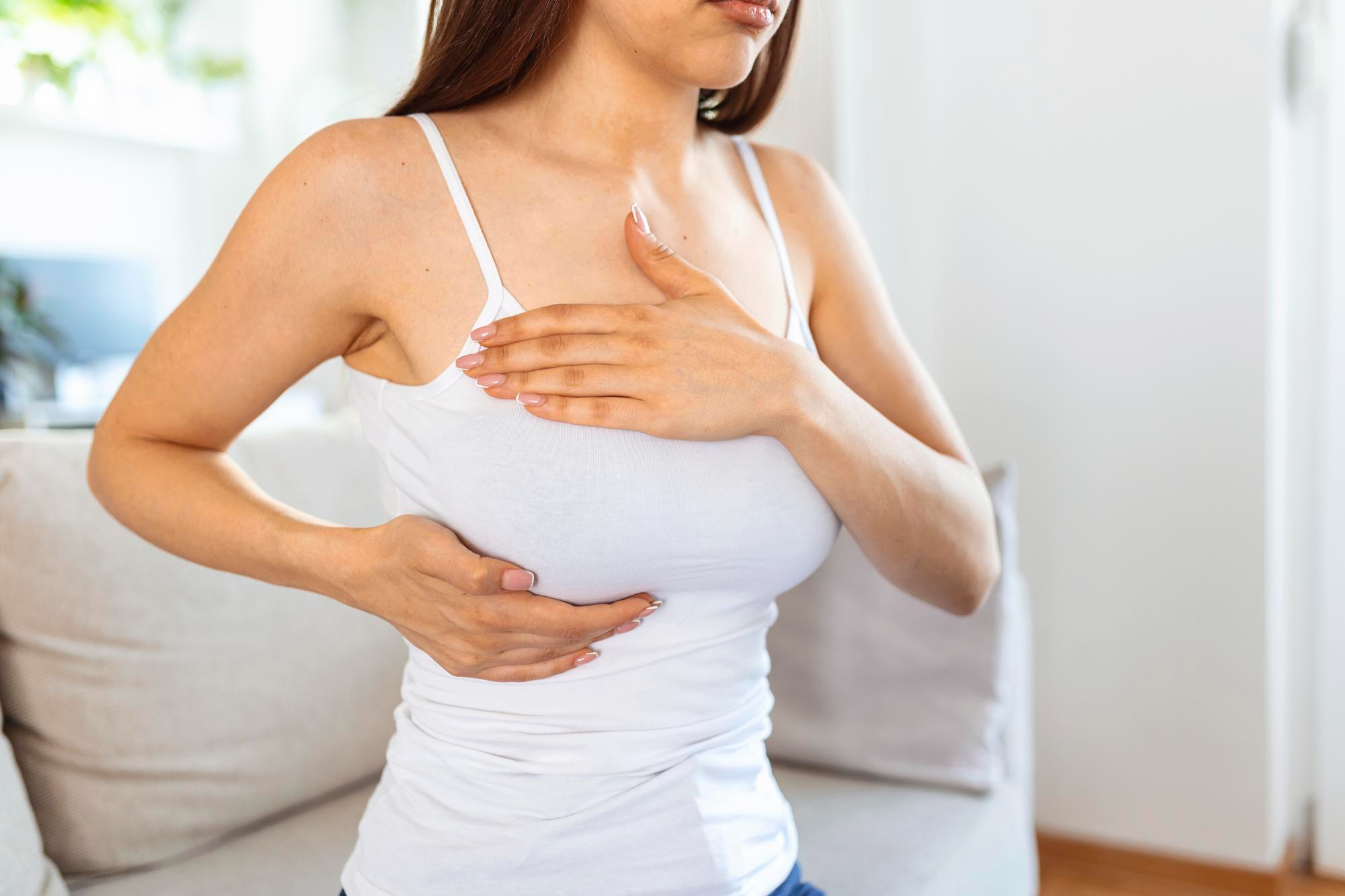
You Have More Power Than You Think
Breast cancer is influenced by a complex interplay of genetic, hormonal, and environmental factors. Some of those: age, family history and genetic mutations cannot be changed. But a significant proportion of breast cancer risk is shaped by lifestyle, and that is firmly within your sphere of influence.
The World Cancer Research Fund (WCRF) published a landmark report in April 2025 examining how overall diet and lifestyle choices work together, not in isolation, to affect breast cancer risk. Their findings identified strong evidence that certain combinations of everyday choices substantially lower risk. The conclusion: a health-protective lifestyle built on multiple consistent habits is more powerful than any single intervention.
Here is what the evidence says and what you can start doing today.
1. Move Your Body - Consistently
Physical activity is one of the most robustly supported tools for breast cancer risk reduction, with decades of evidence from large-scale studies and meta-analyses backing it up.
A comprehensive 2016 meta-analysis of 38 cohort studies, cited by the National Cancer Institute (NCI), found that the most physically active women had a 12-21% lower risk of breast cancer than the least active. Meeting the World Health Organization's recommended minimum of 2.5 hours of moderate-intensity activity per week is associated with a 12% risk reduction on its own (PMC / NCI, Physical Activity and Breast Cancer Prevention, 2020).
A prospective Swedish cohort study following 15,983 women over a median of 23 years found that women engaging in the equivalent of more than one hour of daily walking per week had a 23% lower long-term breast cancer risk than those who were the least active, with the greatest protective effect seen in peri- and postmenopausal women (Malmö Diet and Cancer Study, PMC, 2022).
Crucially, exercise benefits extend to women at elevated genetic risk. Research from Columbia University Mailman School of Public Health, published in Cancer Research, studied over 15,550 women including more than 1,200 with BRCA1 or BRCA2 mutations. The findings showed that moderate physical activity during adulthood reduced breast cancer risk even in BRCA mutation carriers - a finding with major implications for high-risk women who may feel their genetics have sealed their fate.
And the benefits don't stop at prevention. A 2020 study in the Journal of the National Cancer Institute, reviewed by UPMC Hillman Cancer Center, found that breast cancer patients who met physical activity guidelines before diagnosis and after treatment had a 55% lower risk of recurrence and a 68% lower risk of death from any cause compared to those who didn't meet the guidelines.
How to apply this: The American Cancer Society recommends 150–300 minutes of moderate-intensity activity or 75–150 minutes of vigorous activity per week and notes that reaching or exceeding the upper limit of 300 minutes is ideal. This doesn't require a gym membership. Brisk walking, cycling, swimming, dancing, or gardening all count.
2. Achieve and Maintain a Healthy Weight
The relationship between body weight and breast cancer is one of the best-established connections in cancer epidemiology, particularly for postmenopausal women.
After menopause, the ovaries significantly reduce estrogen production. Fat tissue becomes the primary source of the body's estrogen supply through a process called aromatization. Women with more body fat produce more estrogen, and higher estrogen levels are directly linked to a higher risk of hormone receptor-positive breast cancers, the most common type.
Susan G. Komen® cites research showing that women who are overweight or obese after menopause have a 20-60% higher breast cancer risk than women who are lean. A systematic review and meta-analysis published in The Breast(2024), covering nearly 2 million women across 33 studies, confirmed that obesity in postmenopausal women is significantly associated with increased estrogen receptor-positive breast cancer risk.
The good news: this risk is modifiable. Data from the Women's Health Initiative Observational Study, cited by the National Cancer Institute, found that postmenopausal women who lost at least 5% of their body weight during the study period had a meaningfully lower risk of invasive breast cancer than women whose weight remained stable. A pooled analysis of 10 cohorts further confirmed that sustained weight loss after age 50 is associated with lower breast cancer risk.
Weight management doesn't need to be dramatic to make a difference. Small, consistent changes (more movement, more whole foods, less processed food) compound over time into meaningful protection.
3. Limit Alcohol or Avoid It Altogether
Of all the modifiable lifestyle risk factors for breast cancer, alcohol consumption has among the clearest and most consistent evidence base.
The American Cancer Society is unambiguous: drinking alcohol is clearly linked to increased breast cancer risk, with risk increasing proportionally with the amount consumed. Women who have just one alcoholic drink per day have a 7-10% higher risk of breast cancer compared to non-drinkers. Women who consume two to three drinks per day have approximately a 20% higher risk.
A landmark meta-analysis published in Breast Cancer Research (December 2024), presented at the San Antonio Breast Cancer Symposium, found that reducing alcohol use was associated with a lower risk of developing hormone receptor-positive breast cancer. Even reducing heavy drinking, not just stopping entirely, showed measurable risk reduction.
The mechanism is multifaceted: alcohol raises circulating estrogen levels, interferes with DNA repair, and introduces direct carcinogenic compounds (acetaldehydes) into breast tissue.
The American Institute for Cancer Research (AICR), after analyzing decades of evidence from millions of global cancer cases, lists alcohol as one of the clearest modifiable risk factors. Their guidance is direct: not drinking alcohol is the safest choice for breast cancer risk reduction.
The World Cancer Research Fund's 2025 report reinforced this, identifying avoiding alcohol as one of the strongest evidence-backed choices for breast cancer prevention. If complete avoidance isn't realistic, minimizing consumption as much as possible is still beneficial.
4. Eat a Breast-Protective Diet
No single "superfood" prevents breast cancer. But overall dietary patterns, the way foods work together over time, clearly matter. The evidence points strongly in one direction: a whole-food, plant-rich, anti-inflammatory dietary pattern is associated with meaningfully reduced breast cancer risk.
The Mediterranean Diet: 13% Risk Reduction
A comprehensive meta-analysis published in PMC (through November 2024) pooled data from 31 prospective observational studies and found that adherence to the Mediterranean diet was associated with a 13% reduction in breast cancer risk (HR: 0.87, 95% CI: 0.82–0.92). The protective effect was particularly pronounced in postmenopausal women.
The Mediterranean dietary pattern (rich in fruits, vegetables, whole grains, legumes, olive oil, nuts, and fish, and low in red and processed meats and refined sugars, appears to reduce risk through several pathways: lowering circulating estrogen levels, increasing sex-hormone binding globulin, reducing inflammation, neutralizing free radicals, and preventing DNA damage (PMC, Mediterranean Diet and Breast Cancer Risk).
The landmark PREDIMED randomized controlled trial found that postmenopausal women assigned to a Mediterranean diet enriched with extra-virgin olive oil had a hazard ratio of 0.32 for breast cancer, a 68% relative risk reduction compared to controls, though researchers note this striking result requires further replication in larger trials.
What to Focus On
Based on the current evidence synthesis from the WCRF, AICR, American Cancer Society, and peer-reviewed literature:
Eat more of: Fruits and vegetables (particularly cruciferous vegetables like broccoli, Brussels sprouts, and kale), whole grains, legumes, nuts, seeds, fatty fish, and extra-virgin olive oil.
Eat less of: Processed and ultra-processed foods, red and processed meats, refined sugars, and sugary drinks.
Fiber: High dietary fiber intake is associated with reduced breast cancer risk, possibly by lowering circulating estrogen levels. The WCRF 2025 report specifically cited fiber-rich foods as part of the strongest evidence-backed dietary combinations for risk reduction.
5. Don't Smoke
Tobacco smoke contains over 70 known carcinogens, many of which are absorbed into the bloodstream and reach breast tissue directly. Susan G. Komen® and the American Cancer Society both note that while the relationship between smoking and breast cancer has historically been more complex than the alcohol-cancer link, growing evidence connects active smoking, particularly in younger women, premenopause, and heavy long-term smokers, with increased breast cancer risk.
Beyond breast cancer, smoking significantly elevates the risk of lung, throat, cervical, kidney, bladder, and many other cancers. If you smoke, quitting at any age reduces cancer risk and brings broad health benefits that accrue rapidly after cessation.
6. Breastfeed, If You Are Able
For women who choose to have children, breastfeeding offers a meaningful and well-documented protective effect against breast cancer.
A 2024-2025 meta-analysis published in the International Breastfeeding Journal (Springer Nature), encompassing 23 case-control and cohort studies published between 2014 and 2024, found that never breastfeeding was associated with a 40% increased risk of breast cancer (OR: 1.40; 95% CI: 1.14-1.72) compared to breastfeeding. Studies consistently show that the longer the duration of breastfeeding, the greater the protective effect - with breastfeeding for 12 months or longer associated with the most significant risk reduction.
The mechanisms are well understood. During breastfeeding:
- Estrogen levels are suppressed - reducing cumulative lifetime estrogen exposure
- The hormone prolactin (which stimulates milk production) suppresses ovulation, further limiting estrogen
- Breast tissue undergoes cellular differentiation that may make cells more resistant to carcinogenic changes
- Potentially damaged epithelial cells are shed from breast tissue during each breastfeeding cycle
A 2024 BCRF-supported study found that up to 15% of triple-negative breast cancer diagnoses in Black women and 12% in White women could potentially have been avoided with breastfeeding for more than six months, highlighting the public health significance of breastfeeding support (Breast Cancer Research Foundation, 2024).
It is important to acknowledge that breastfeeding is not always possible or the right choice for every woman or family. These are deeply personal decisions - but when breastfeeding is an option, the breast health benefits for the mother are real and meaningful.
7. Manage Your Hormonal Health Thoughtfully
Exogenous hormones, from birth control and menopausal hormone therapy (MHT), are nuanced topics worth discussing openly with your physician.
Menopausal hormone therapy (MHT): Combined estrogen-progestogen MHT is associated with an increased breast cancer risk, and this risk increases with duration of use. The American Cancer Society notes that postmenopausal women using combined MHT have higher rates of breast cancer than those who have never used it, and tumors diagnosed in MHT users tend to be found at a slightly more advanced stage. Women using MHT should have individualized conversations with their doctor about the benefits and risks, and be especially diligent about regular breast imaging.
Oral contraceptives: Current evidence suggests a modest increase in breast cancer risk with hormonal birth control use, which appears to diminish after stopping. This is a nuanced area that continues to evolve, and the risks must be weighed against the benefits of contraception, including the fact that pregnancy itself carries protective hormonal effects long-term. Again, an open conversation with your physician is key.
8. Know Your Personal Risk and Screen Accordingly
Lifestyle choices are powerful, but they work best in combination with knowledge of your individual risk profile and a proactive approach to screening.
Understanding whether you have dense breast tissue, a family history of breast cancer, a BRCA mutation, or other risk factors allows you and your care team to build a screening plan that is genuinely calibrated to your needs, not just the average-risk population.
At Qlarity Breast Imaging NY, we offer personalized risk assessment as part of every patient encounter. Knowing your risk is not something to fear - it is the foundation of intelligent, proactive self-care.
9. The Power of Doing Many Things Well
Perhaps the most important insight from recent breast cancer prevention research is that cumulative lifestyle matters more than any single choice.
The World Cancer Research Fund's April 2025 report was explicit: the combination of healthy weight, regular physical activity, a plant-rich diet, and alcohol avoidance produces far greater risk reduction than any single factor in isolation. Women who improved across multiple lifestyle behaviors showed lower breast cancer risk than those who focused on just one or two changes, even if the individual improvement in each behavior was modest.
This is not about perfection. It is about direction. Every step toward a more active, less alcohol-dependent, more whole-food-based, more sleep-prioritizing lifestyle is a step that reduces your breast cancer risk — and improves your health in almost every other dimension simultaneously.
A Note on What We Cannot Control
Not every breast cancer is preventable. Women who do all the right things can still receive a diagnosis, and that is never their fault. Genetics, reproductive history, breast density, and other non-modifiable factors play real roles.
This is precisely why lifestyle optimization and regular breast imaging work best together. A healthy lifestyle is risk reduction, not risk elimination. And regular imaging is the safety net that catches what lifestyle alone cannot prevent.
The most powerful position you can be in is this: doing what you can to lower your risk, while ensuring that if a cancer does develop, it is found as early as possible, when outcomes are best.
Take the Next Step With Qlarity Breast Imaging NY
Living a breast-protective lifestyle is one of the most important investments you can make. Pairing that with regular, personalized breast imaging is how you close the loop, ensuring that your proactive choices are backed by the most current imaging technology available.
At Qlarity Breast Imaging NY, we offer comprehensive breast health consultations, personalized risk assessment, and access to FDA-cleared advanced breast imaging, including the QT Imaging Breast Acoustic CT™, a radiation-free, compression-free option for comprehensive breast visualization.
Because protecting your breast health isn't just about what you do at home. It's also about who you trust to look out for you.
Share today:


